
Standards and interoperability
Built on open standards
Appear equipment interoperates with the standards your facility already runs, and we sit on the committees that write them.

Standards and interoperability
Appear equipment interoperates with the standards your facility already runs, and we sit on the committees that write them.
No live facility is single-vendor. Contribution, processing, and distribution chains mix equipment from dozens of suppliers, and the whole chain has to hold on air. That is why Appear builds on open standards rather than proprietary lock-in — from ST 2110 and JPEG XS to SRT and CMAF.
We also help write them. Appear engineers contribute to the industry bodies below, shaping the standards our customers will depend on next.
 ABOTTSThe Brazilian association of OTT and streaming providers.Visit site →
 ABUPromotes the collective interests of television and radio broadcasters worldwide.Visit site →
 AIMSIndustry consortium dedicated to an open-standards approach to media over IP.Visit site →
 AMWADrives the industry move to IP-based architectures, home of the NMOS specifications.Visit site →
 AVIATrade association for multichannel TV broadcast service providers across Asia.Visit site →
 The Broadcast BridgeTechnology insight and education for the broadcast media industry.Visit site →
 DASH-IFCreates interoperability guidelines for the MPEG-DASH streaming standard.Visit site →
 EBUStrives to secure a sustainable future for public service media.Visit site →
 FKTGNon-profit supporting education and networking across the broadcast and media industry.Visit site →
 IAMTConnects the ecosystem of the broadcast and media technology industry.Visit site →
 JT DMFJoint EBU and AMWA initiative for open, software-defined media facilities.Visit site →
 MTSSChampions sustainability, innovation, and responsible practice in media technology.Visit site →
 RiseGlobal organisation advancing gender diversity in broadcast and media technology.Visit site →
 RTSRuns lectures, workshops, masterclasses, and awards throughout the year.Visit site →
 SCTELearned society raising the standard of broadband engineering in telecommunications.Visit site →
 SMPTEGlobal professional association behind the ST 2022 and ST 2110 standards families.Visit site →
 SRT AllianceEnables high-quality, low-latency video across the public internet with open-source SRT.Visit site →
 SVG EuropeSupports the European sports video production and distribution community.Visit site →
 SVG USSupports the professional community producing and distributing sports content.Visit site →
 VSFDedicated to interoperability, quality metrics, and education for media networking.Visit site →
Professional media over managed IP networks — video, audio, and ancillary data as separate, individually routable flows.
ST 2110 replaces SDI with elementary flows on standard IP infrastructure. Because video, audio, and metadata travel independently, facilities route only what each workflow needs — and scale on commodity switching rather than dedicated baseband matrices. PTP timing keeps every flow in sync across the network.
In Appear products: native ST 2110 input and output across the X Platform, with PTP synchronisation and ST 2022-7 seamless protection for uninterrupted service.
The standards family for carrying compressed and uncompressed video over IP, including seamless protection switching.
ST 2022 defined how broadcast signals first moved onto IP, and remains central to contribution and primary distribution today. ST 2022-7 is the part operators rely on most: duplicate streams over diverse paths, merged at the receiver, so a network fault never reaches air.
In Appear products: ST 2022-7 hitless protection is available across X Platform IP interfaces, pairing path diversity with zero-frame-loss recovery.
Open discovery, registration, and connection management for ST 2110 systems.
NMOS IS-04 and IS-05 give ST 2110 facilities a common control language: devices announce themselves, register their capabilities, and accept connection requests from any compliant broadcast controller. It is what makes a multi-vendor IP facility operable as one system.
In Appear products: X Platform exposes NMOS discovery and connection management, so it drops into existing IS-04/IS-05 controlled facilities without custom integration.
High-performance audio-over-IP interoperability, and the basis of ST 2110-30.
AES67 lets audio equipment from different vendors and different AoIP ecosystems exchange streams on a common IP network. ST 2110-30 adopts it directly, so AES67 compliance is what carries professional audio through an IP video facility.
In Appear products: AES67-compliant audio handling within ST 2110-30 workflows on the X Platform.
Visually lossless compression with an end-to-end latency of just a few lines of video.
JPEG XS makes remote production practical: it cuts bandwidth by a factor of ten or more while staying visually lossless and adding microseconds, not frames, of latency. Carried over ST 2110-22 and profiled in VSF TR-07/TR-08, it lets uncompressed-quality signals travel on WAN-scale connectivity.
In Appear products: high-density JPEG XS encoding and decoding on the X Platform, including the X5 — the backbone of REMI and interfacility workflows.
Light intra-frame compression with low latency, no blocking defects, and edit-friendly output.
JPEG 2000 has been the workhorse of broadcast contribution for two decades. Every frame is coded independently, so the picture survives repeated encode cycles and downstream editing without accumulating artefacts — profiled for interoperable transport in VSF TR-01.
In Appear products: JPEG 2000 contribution encoding and decoding across the X Platform and XC Platform.
HEVC and AVC — the video codecs carrying most of the world’s contribution and distribution.
H.264/AVC remains the most widely deployed video codec in broadcast; H.265/HEVC roughly halves the bitrate at equivalent quality, making UHD contribution and satellite-efficient distribution economical. Both remain the default answer where bandwidth costs money.
In Appear products: broadcast-grade H.264 and HEVC encoding, transcoding, and decoding at high density across the X Platform and XC Platform.
Generic encoding of video and audio — still the foundation of countless distribution networks.
Decades on, MPEG-2 transport streams still underpin satellite, cable, and IPTV distribution worldwide. Supporting it well matters for every operator running a mixed estate, where new IP workflows must keep feeding established MPEG-2 head-ends.
In Appear products: full MPEG-2 encode, decode, and transport stream processing across the XC Platform and X Platform.
Secure, reliable, low-latency video transport over the public internet.
SRT recovers packet loss with selective retransmission and protects content with AES encryption, turning unmanaged internet connectivity into a viable contribution path. As an open-source protocol with broad industry adoption, it interoperates across hundreds of vendors’ equipment.
In Appear products: SRT contribution and distribution across the X Platform and VX Platform. Appear is a member of the SRT Alliance.
A congestion-aware and network-aware protocol that adapts dynamically to varying network conditions.
Zixi combines forward error correction, retransmission, and adaptive bitrate behaviour to hold broadcast-quality streams stable across unpredictable networks. It is widely used where operators standardise on the Zixi Enabled Network for internet-based delivery.
In Appear products: Zixi transport support for contribution and distribution over unmanaged networks.
Open, interoperable conditional access with dynamic key rotation for high-value live content.
Defined by the EBU as Tech 3292-s1, BISS-CA replaces static scrambling keys with continuously rotating ones and per-receiver entitlement control. Rights holders can grant — and revoke — access to a live feed in real time, which is why it has become the reference for protecting premium sports contribution.
In Appear products: BISS-CA encryption and decryption on the X Platform, protecting contribution feeds end to end.
Apple’s adaptive streaming protocol — the default route to mobile devices and browsers.
HLS segments media over HTTP and lets each player switch bitrate ladder rungs as network conditions change. Its universal device support makes it the baseline for any OTT or hospitality delivery chain.
In Appear products: HLS output from XC Platform stream processing for OTT and hospitality distribution.
The ISO standard for adaptive, HTTP-based streaming across devices and platforms.
MPEG-DASH is the vendor-neutral counterpart to HLS: codec-agnostic, internationally standardised as ISO/IEC 23009-1, and governed by DASH-IF interoperability guidelines. Together with CMAF it allows one set of media segments to serve both DASH and HLS clients.
In Appear products: MPEG-DASH delivery from XC Platform head-end workflows. Appear participates in DASH-IF.
A common media container with chunked encoding — the industry’s route to low-latency streaming.
CMAF gives HLS and DASH one shared segment format, halving packaging and storage costs, while chunked encoding and transfer bring live streaming latency down towards broadcast levels. It is the coordinated industry answer to the latency gap between OTT and traditional distribution.
In Appear products: CMAF-based packaging within XC Platform streaming workflows.
HTTP-based adaptive delivery with media cached at the network edge, close to viewers.
Microsoft’s Smooth Streaming pioneered fragmented-MP4 adaptive delivery over standard HTTP infrastructure. Because segments cache like any web object, delivery scales through existing CDNs — and it remains in service across established IPTV and OTT estates.
In Appear products: Smooth Streaming support within XC Platform stream processing for legacy OTT delivery.
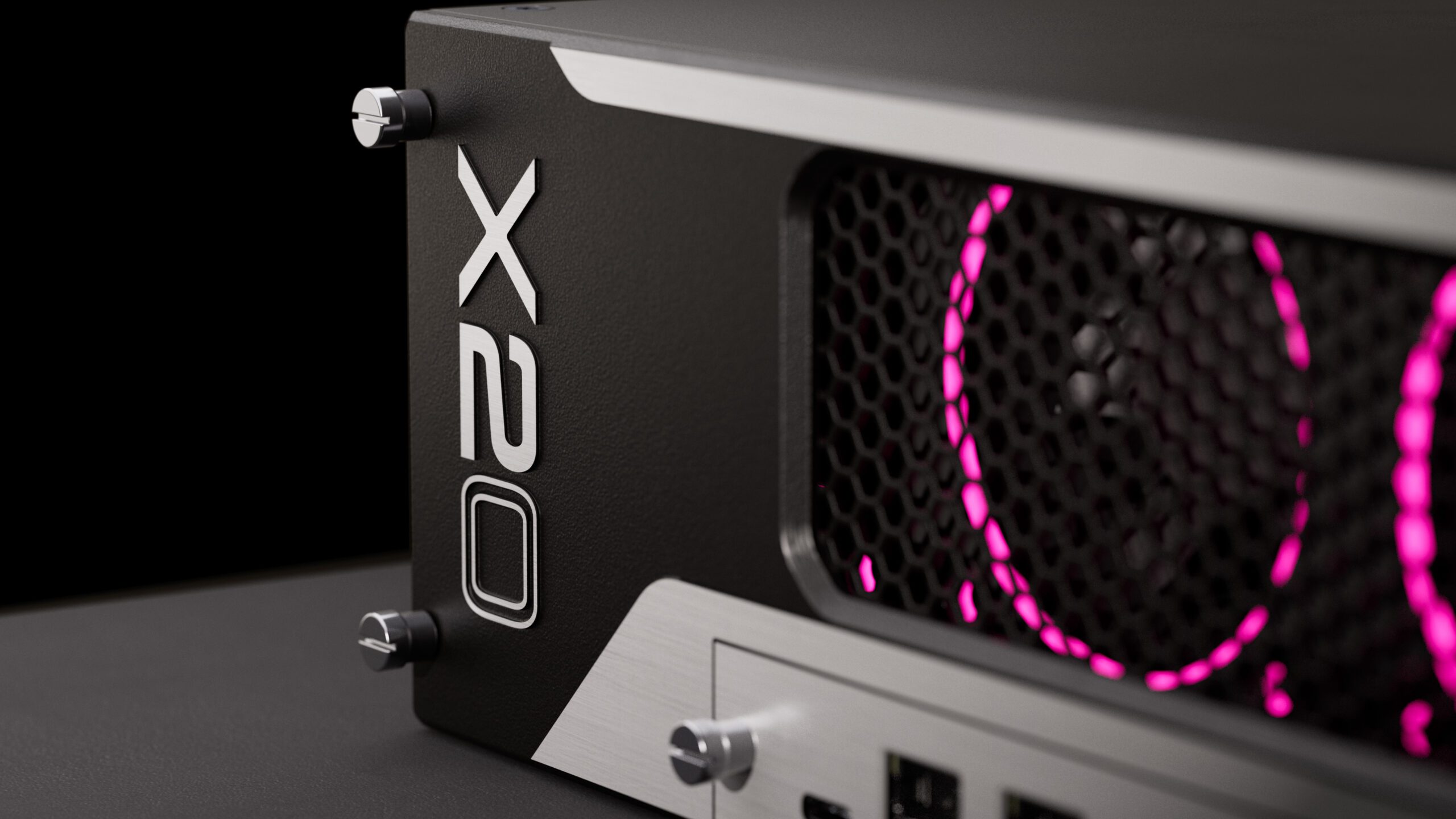
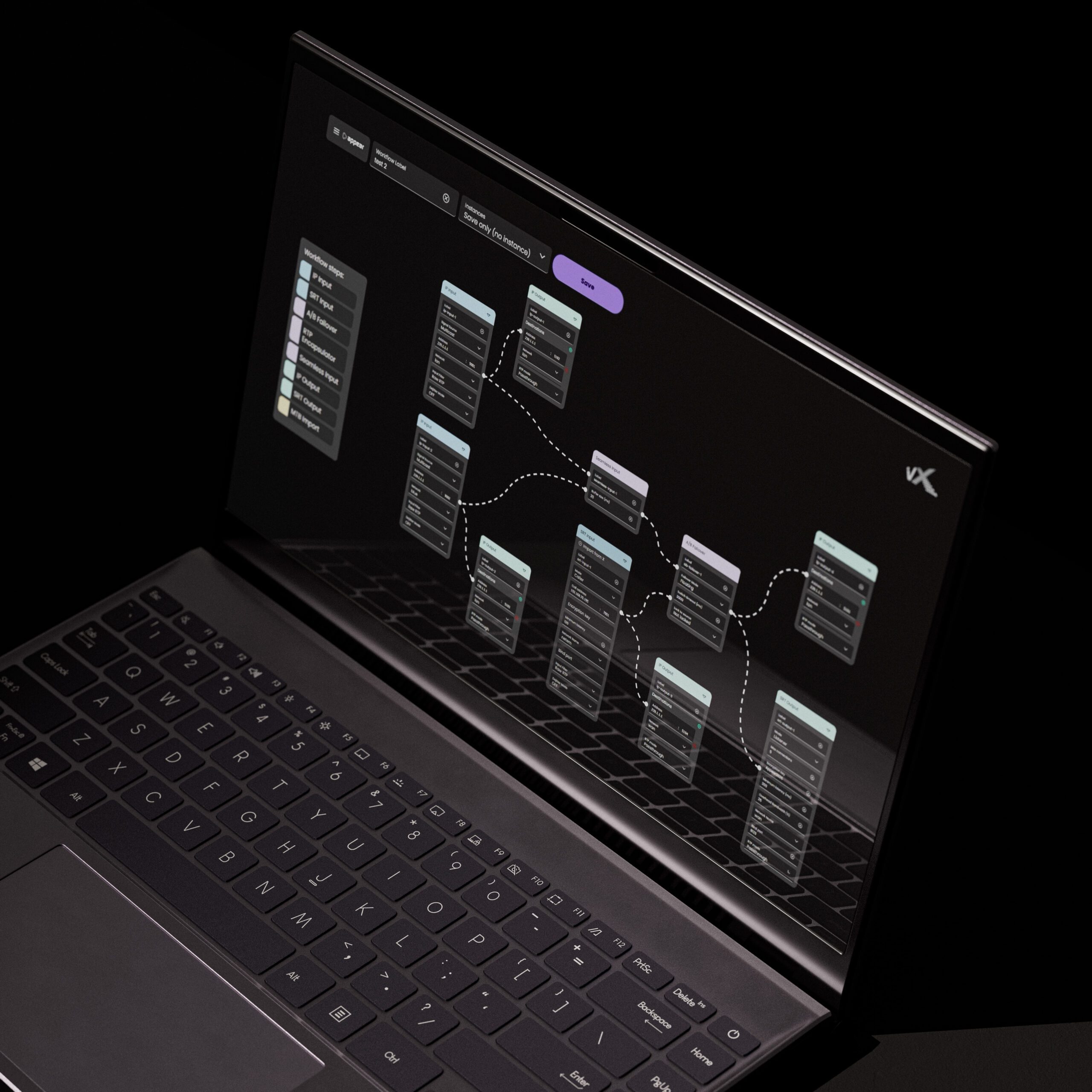
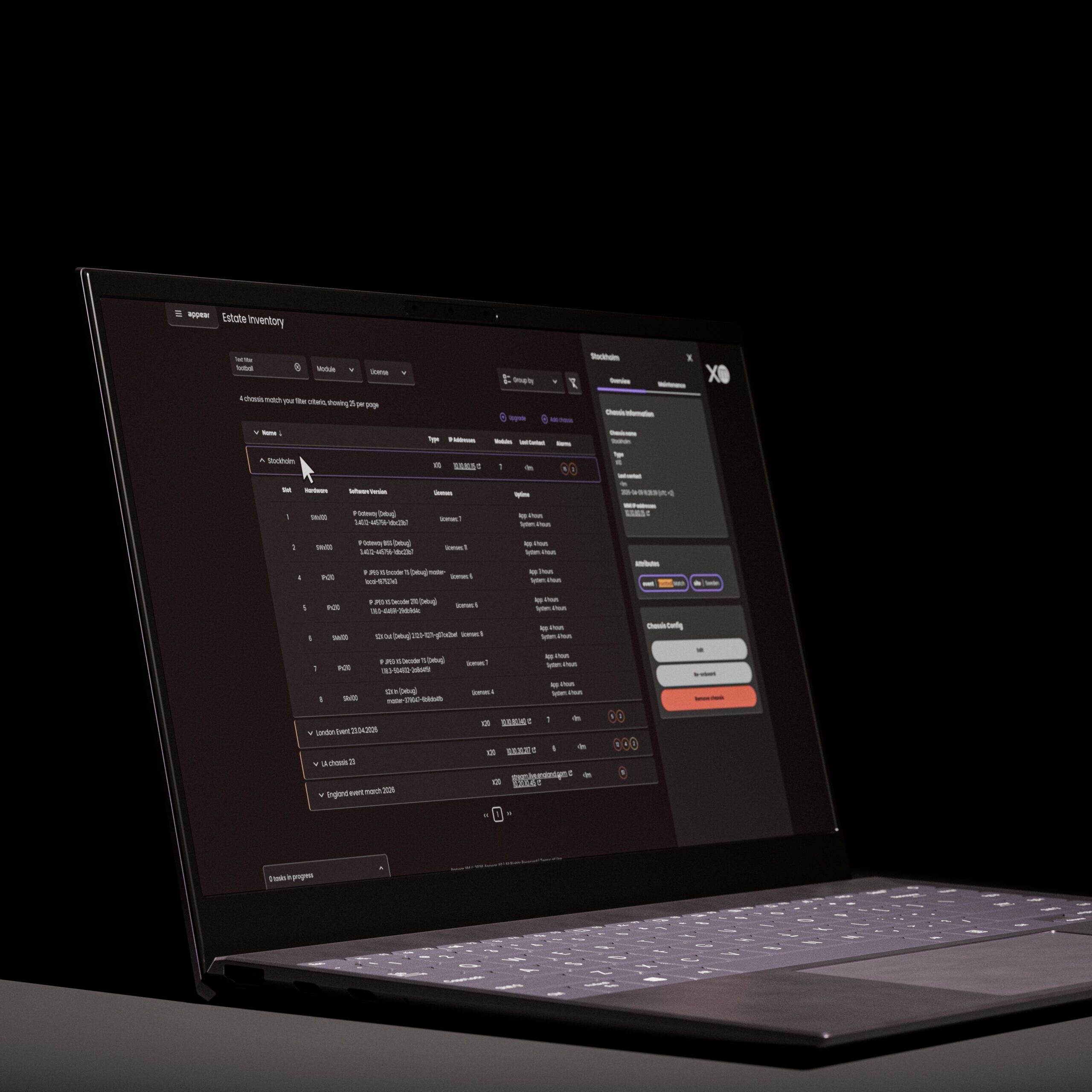
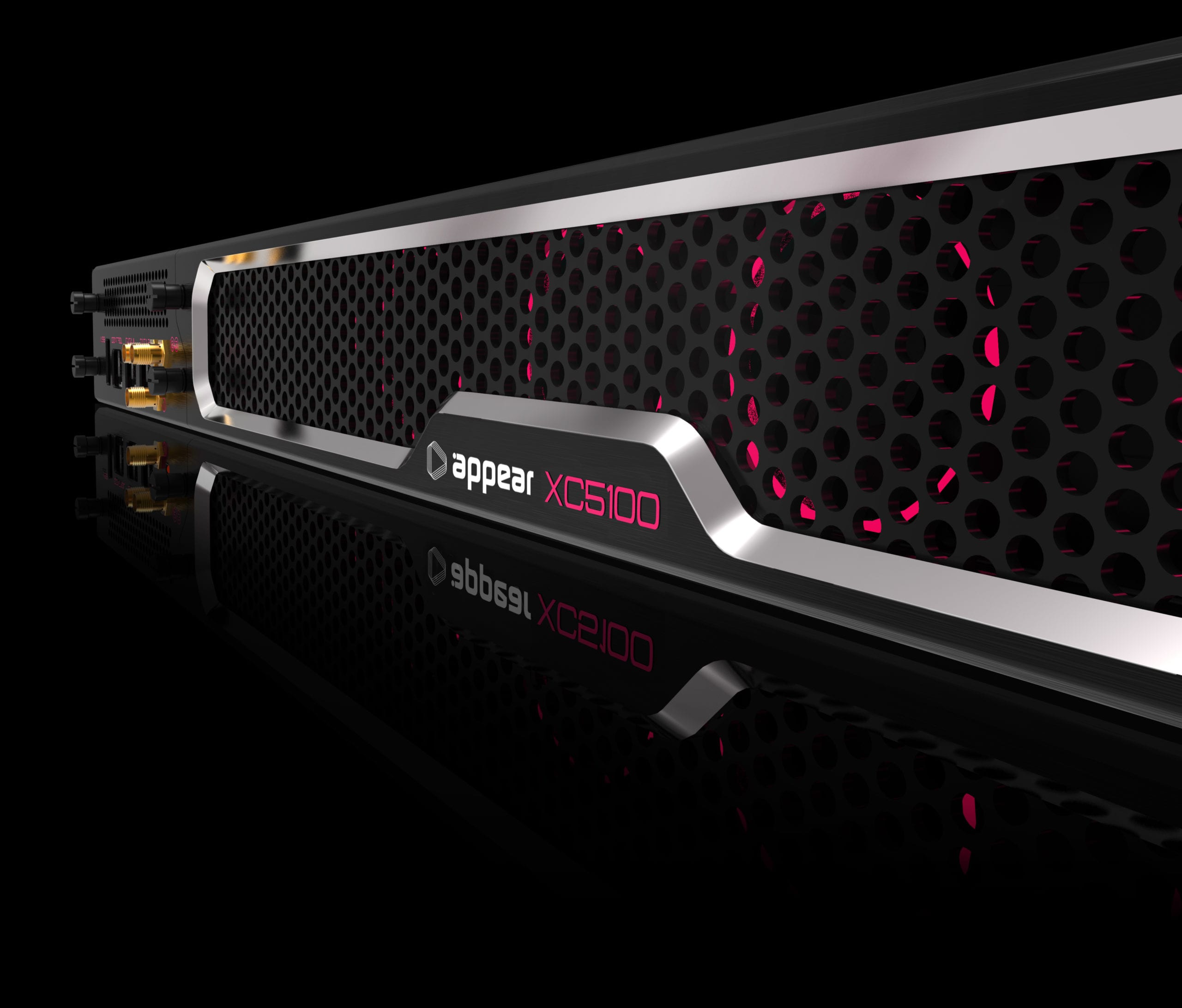
From compact fixed systems to high-density chassis, software-defined transport, and the proven legacy core — every product is designed to interconnect.
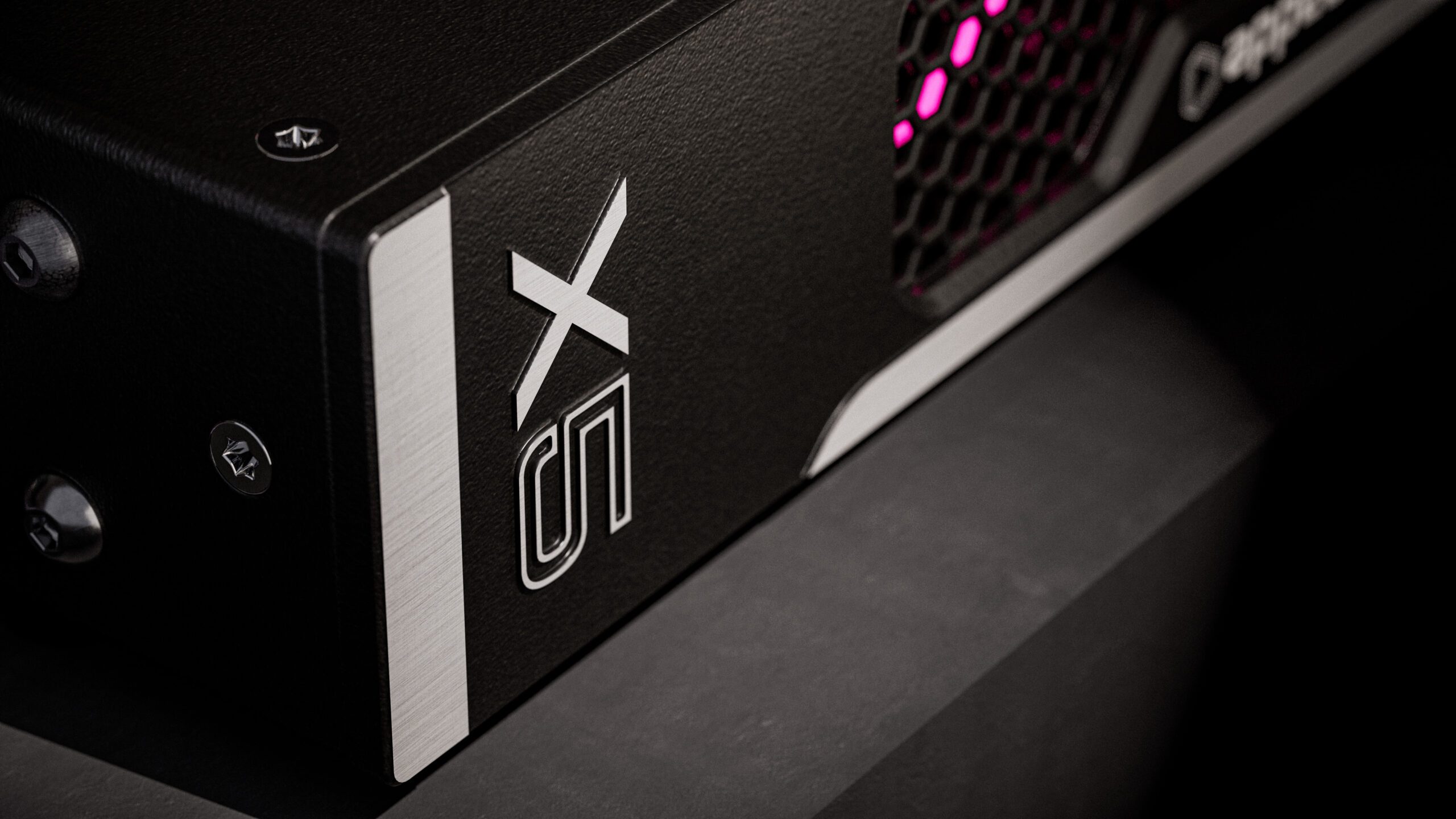
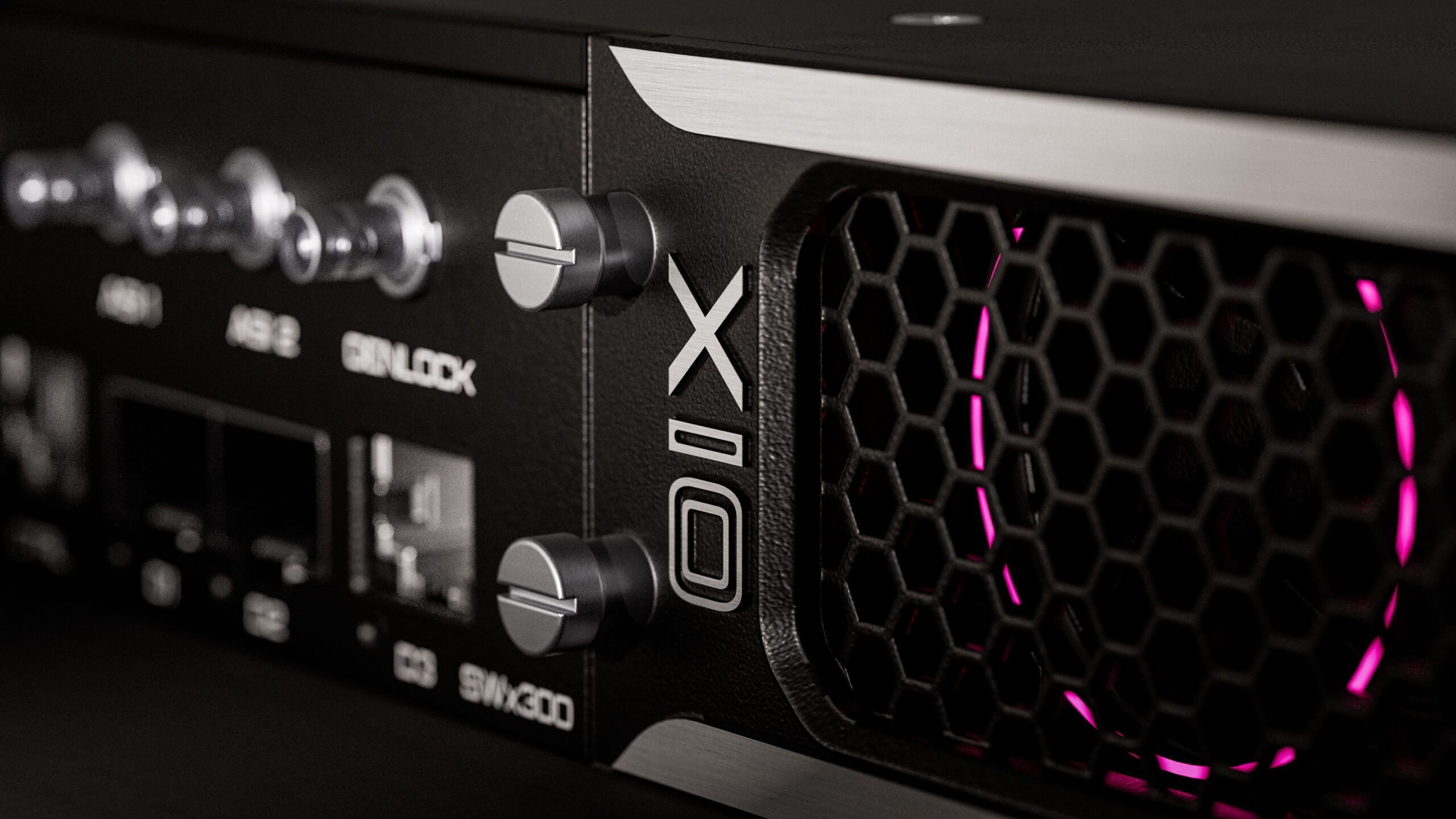
Where reliability and low latency are non-negotiable. Talk to our team about the right combination of platforms for your operation.
Stay updated
Get our latest news and stay informed on the future of live production technology
Oslo, Norway HQ
Appear ASA
Lilleakerveien 2B, 0283 Oslo
Tel: +47 24 11 90 20
Southampton, UK
Appear Ltd, Unit 1-2, 5 Benham Road
University of Southampton Science Park
Chilworth, SO16 7QJ
Stockholm, Sweden
Olof Palmes gata 11
111 37 Stockholm
Los Angeles, USA
Appear US Inc
21650 Oxnard St, Suite 2000
Woodland Hills, CA 91367
Singapore
20 Cecil Street, PLUS, #09-09
Singapore 049705

© 2004 – 2026 Appear ASA. All rights reserved. Business registration number: NO 986942033 MVA
Cookies | Privacy Policy | Terms of Use | Standard Terms and Conditions | Due Diligence Account: Norwegian / English | 2025 Transparency Report
Standards and interoperability
Appear equipment interoperates with the standards your facility already runs, and we sit on the committees that write them.